The Price Tag Isn't the Only Cost
We talk a lot about game prices.
$70 for a new release. $60 for a standard edition. $40 for a discounted title. $20 for an indie gem.
But money isn't the only cost.
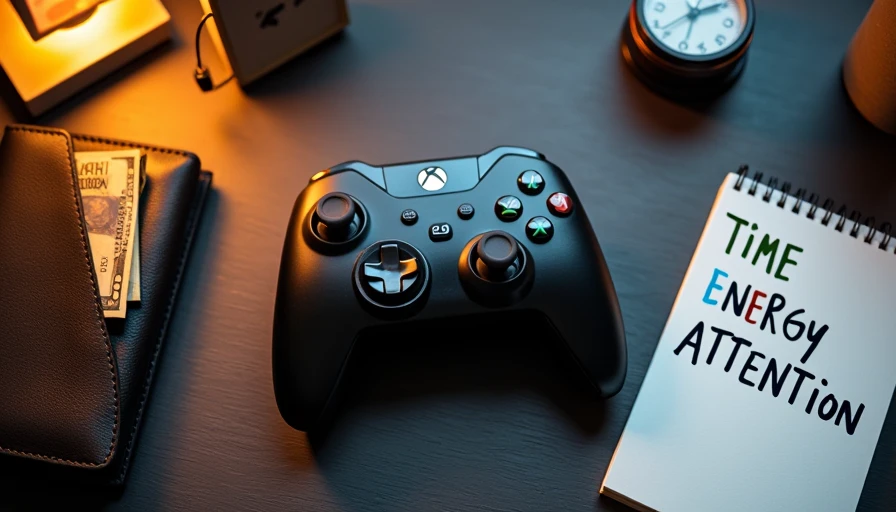
Games cost time. They cost energy. They cost attention. They cost opportunities.
And those costs are often higher than the price tag.
I learned this the hard way. I bought a game for $50. Good deal, I thought. I played it for 30 hours. Not bad, I thought.
But those 30 hours cost me something. They cost me sleep. They cost me time with my family. They cost me energy I could have spent elsewhere. They cost me the opportunity to play something better.
The $50 was the smallest cost.
Here are the hidden costs I've learned to consider.
Time Cost
This is the obvious one. But it's worth breaking down.
A $60 game that takes 20 hours to finish costs you $3 per hour. That's cheap entertainment. A $20 indie game that takes 5 hours costs you $4 per hour. Still good value.
But time isn't just about hours. It's about how those hours are spent.
A 50-hour RPG spread over three months means you're thinking about that game even when you're not playing. You're planning your next session. You're looking up builds online. You're staying up later than you should.
The time cost isn't just the hours played. It's the mental overhead.
Energy Cost
This one is harder to measure.
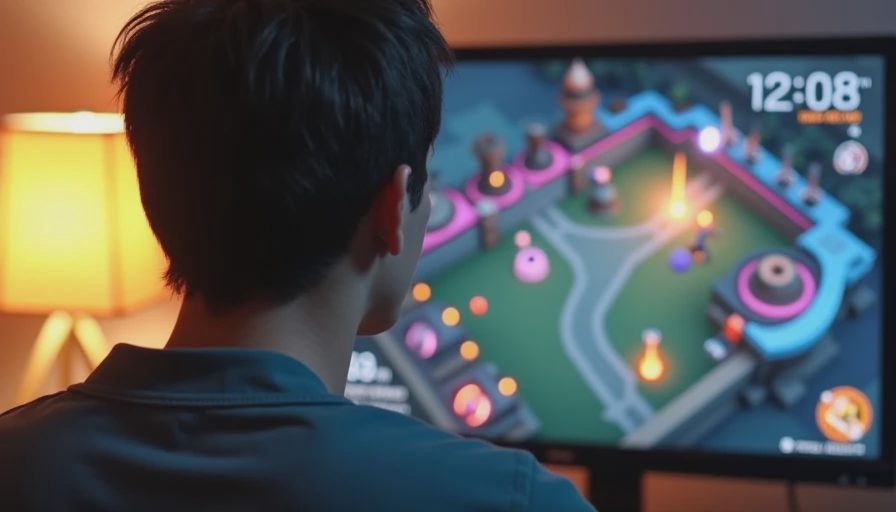
After a full day of work, my brain is tired. I don't have the same cognitive capacity I had in the morning. I don't have the same patience. I don't have the same ability to learn complex systems.
Some games demand more energy. Complex RPGs. Competitive multiplayer games. Games with deep systems and steep learning curves.
These games aren't bad. But they cost energy. And when you're already tired, that energy cost is real.
I've learned to consider my energy levels before starting a game. If I'm exhausted, I play something simple. If I'm rested, I play something deep. The wrong choice costs more than I want to pay.
Attention Cost
This is the cost nobody talks about.
Games demand attention. Not just during playtime, but before and after.
You think about the game when you're not playing. You plan your next session. You remember where you left off. You think about the story, the characters, the mechanics.
That mental real estate has value. When your brain is occupied with a game, it's not occupied with other things.
I've noticed this with long narrative games. I'll be at work, thinking about what happened in the story. I'll be with my family, distracted by the game. I'll be trying to sleep, running through strategies in my head.
That attention cost is real. And it's often higher than we realize.
Opportunity Cost
This is the cost of what you could have done instead.
Every hour you spend playing a game is an hour you're not spending on something else.
Sleep. Exercise. Reading. Family time. Hobbies. Friends. Career development. Relaxation.
I'm not saying gaming is a waste. It isn't. But every choice has an opportunity cost.
When I choose to play a game for 30 hours, I'm choosing not to do something else for 30 hours.
That's not necessarily a bad thing. But it's worth being aware of.
The Hidden Costs of Different Types of Games
Different games have different hidden costs.
Open-world RPGs. High time cost. High energy cost. High attention cost. You're committing to 40-100 hours of your life. You're managing complex systems. You're thinking about the game constantly.
Competitive multiplayer games. Moderate time cost. High energy cost. High attention cost. The matches themselves are short, but you're thinking about them constantly. You're researching strategies. You're trying to improve.
Narrative-driven games. Moderate time cost. Moderate energy cost. High attention cost. The story stays with you. You're thinking about the characters when you're not playing.
Casual games. Low time cost. Low energy cost. Low attention cost. You play, you stop, you move on. No mental overhead.
I've learned to choose based on what I can afford.
What I Look for Now
Here's what I consider before starting a new game.
Time commitment. How many hours is this going to take? Can I fit that into my schedule?
Energy requirement. How much brain power does this demand? Am I going to be tired when I play?
Attention requirement. Will I be thinking about this game when I'm not playing? Is that okay?
Opportunity cost. What am I giving up to play this? Is it worth it?
These questions help me make better choices.
An Example
Let me walk you through a recent decision.
I was considering a new open-world RPG. 60+ hours. Complex systems. Deep story. High praise from critics.
I looked at my schedule. I had maybe 8 hours of gaming time per week. This game would take me two months to finish.
I thought about my energy. I'm tired after work. I don't have the brainpower for complex systems.
I thought about the attention cost. I'd be thinking about this game constantly. I wouldn't be present with my family.
I thought about the opportunity cost. I could play three shorter games in the same amount of time.
I decided to skip it. Not because it was a bad game. But because the hidden costs were too high.
The Bottom Line
Games cost more than money.
They cost time. Energy. Attention. Opportunity.
Those costs are often higher than the price tag.
I'm not saying you shouldn't play games. I'm saying you should be aware of what you're spending.
The hidden costs are real. They matter. They affect your life.
Pay attention to them. Make better choices.
Worth your time, or not?
Comments
No comments yet — be the first to share a thought.