Finding affordable video games is not just about locating the lowest price. A $10 game that sits untouched for six months is not a bargain, while a $30 game that gives you several satisfying weeks can be excellent value. For adults with work, family, errands, and limited evening energy, the real question is simple: will this game respect both your money and your time?
Start With the Total Cost, Not the Sale Price
The purchase price is only the first part of the calculation. A $15 open-world game that demands 80 hours before reaching its best ideas can be a worse fit than a $25 game built around six focused hours. Affordable video games should reduce regret, not simply make your digital library look busier.
Before buying, check how quickly the game becomes enjoyable. Steam reviews, long-form YouTube reviews, and discussions from patient-gaming communities can reveal whether the opening is padded with tutorials, crafting chores, or repeated missions. Look for comments from players who mention session length and pacing rather than only graphics or frame rate.
A practical price guide helps. Under $10 is usually an easy impulse range, but it is still possible to buy clutter. Between $10 and $25, look for games with a clear identity and manageable scope. Above $30, I want stronger evidence that the experience matches my schedule. Full-price releases can be worthwhile, but launch hype is not a substitute for a good fit.
The Best Places to Find Real Value
Steam sales remain one of the easiest ways to build a useful PC library, especially during major seasonal events. The important trick is not adding every game with a 75 percent discount. Use your wishlist, review recent player comments, and compare the current price with the game’s usual sale pattern. A small discount today may become a much better deal later.
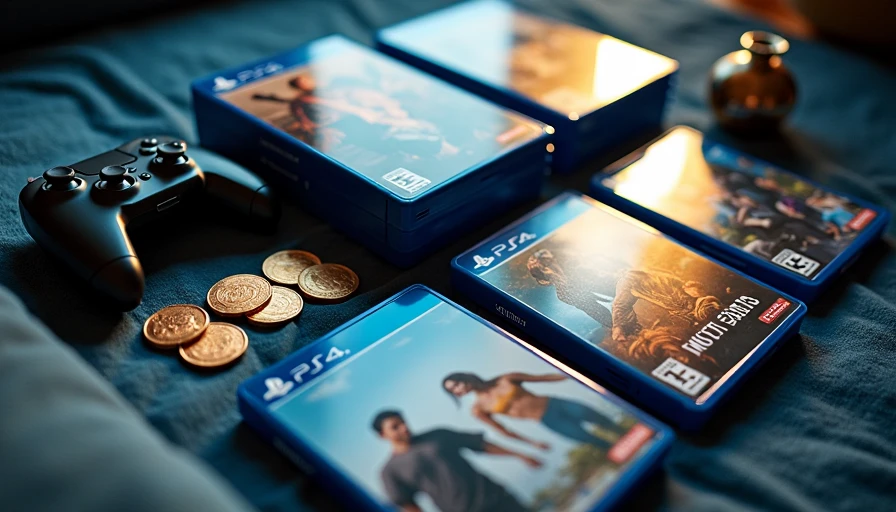
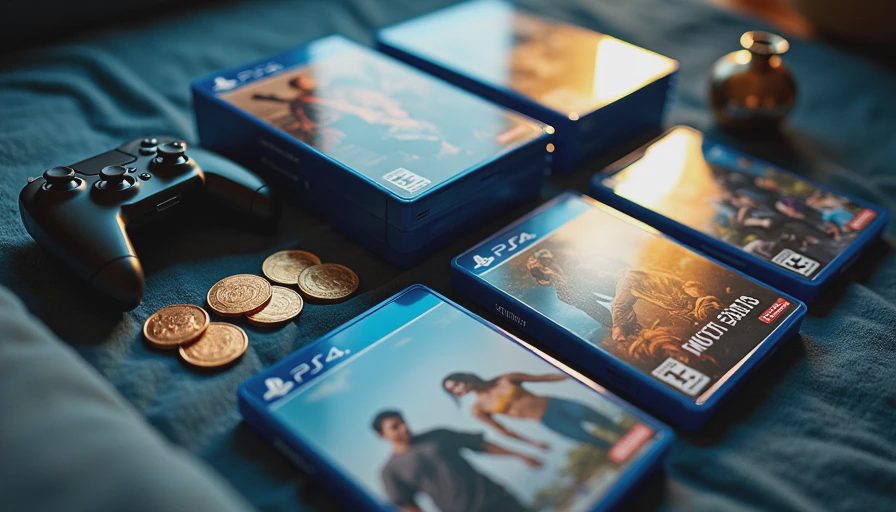
On consoles, publisher sales, subscription catalogs, and used physical copies can all lower the cost. Xbox Game Pass and PlayStation Plus Extra can be useful for sampling larger games, although the monthly fee only saves money if you actually play several included titles. Nintendo games often hold their prices longer, so buying used or waiting for a targeted sale can matter more.
Free-to-play games deserve a little skepticism. Many are generous with their core content, but battle passes, cosmetic stores, seasonal resets, and limited-time events can turn a cheap download into an ongoing expense. Set a spending limit before starting. Affordable video games should not quietly become expensive hobbies through small recurring purchases.
Affordable Games That Fit Short Sessions
Busy adults should pay attention to how easily a game can be paused and resumed. Turn-based strategy, puzzle games, racing games, roguelites, and compact adventure games often work well when you have 30 minutes after dinner. Balatro, Slay the Spire, Into the Breach, Vampire Survivors, and Dorfromantik are examples of games that can deliver a complete little session without demanding a dramatic nightly commitment.
That does not mean every short-session game is relaxing. Some roguelites expect repeated failure, and some strategy games require more concentration than their simple graphics suggest. Read the mood correctly. A game can be excellent and still be a bad fit when you are tired and have a work meeting at 8 a.m.
Save systems matter, too. Frequent autosaves, quick runs, and clear stopping points are practical features. If a game makes you replay 20 minutes because you closed it at the wrong moment, its low price will not compensate for the irritation. The best affordable video games make it easy to leave and return without losing your evening.
Look Beyond the Biggest Releases
Large publishers spend heavily on marketing, so it is easy to assume the most visible games offer the best value. Often, smaller games provide a cleaner experience because they focus on one strong idea. A compact detective game, a well-designed platformer, or a focused management simulation may give you more memorable moments than a massive map filled with checklist tasks.
For example, Dave the Diver combines exploration, restaurant management, and light progression in a structure that works well for short or medium sessions. Dredge offers a moody fishing adventure without asking you to memorize a giant skill tree. PowerWash Simulator is repetitive by design, but that can be exactly right when your brain needs something steady after a long day.
The point is not that every independent game is automatically good. Some are rough, overly ambitious, or poorly explained. It is that affordable video games are often found by searching for a specific experience rather than chasing the latest blockbuster. Ask whether you want exploration, problem-solving, competition, or a calm routine, then shop within that category.

A Simple Before-You-Buy Check
I use a short checklist before spending money. First, I look at the average session length and whether the game supports reliable saving. Second, I check how long the main path takes, while remembering that completionist estimates can be wildly different. Third, I read recent negative reviews. Praise tells you what the game hopes to be; criticism often reveals the friction you will actually live with.
Next, check hardware or platform requirements. A discounted PC game is not affordable if your system needs a $400 upgrade to run it comfortably. On console, confirm whether online multiplayer requires a separate platform membership. For physical purchases, include shipping and the possibility that used discs or cartridges may not include downloadable extras.
Finally, decide when you will play it. If your calendar is packed for the next month, buying now may simply create another obligation. Add the game to a wishlist and wait. Sales return, patches arrive, and your backlog will still be there. Affordable video games are easier to enjoy when you choose them deliberately.
Build a Smaller, Better Backlog
A healthy backlog is not a museum of discounts. It is a short list of games you genuinely expect to start. I prefer keeping three categories: one relaxing game, one story-focused game, and one game that works in 20-minute sessions. When one is finished or abandoned, I choose another. This prevents the familiar problem of owning 40 games and feeling guilty about all of them.
Watch for bundle fatigue. A bundle can look like an incredible deal at $12, but ten unwanted games still take up attention. If you only want one title, buying that single title for $8 may be the smarter decision. Money saved on a bundle is not real savings if the bundle encourages purchases you would never make individually.
Also consider replay value carefully. A 12-hour game that you finish is often better value than a 100-hour service game you abandon after three evenings. Affordable video games do not need endless content. They need enough good content to justify the time you realistically have.
Worth Your Time, or Not?
The best buying habit is to separate excitement from commitment. Watch a trailer if it interests you, but then ask what the first two evenings will feel like. Will you be solving interesting problems, or clearing icons because the map told you to? Will the game let you stop cleanly, or punish every interruption? Those answers matter more than review-score arguments.
For busy players, the sweet spot is usually a reasonably priced game with quick access to its main loop, clear pacing, and little pressure to spend more. That might be a $5 puzzle game, a $20 independent adventure, or a discounted older release from a major publisher. There is no prize for buying at launch or maintaining a gigantic library.
Affordable video games are worth seeking when they make leisure easier rather than more complicated. Spend less on hype, protect your limited evenings, and choose experiences you can actually finish or enjoy in pieces. Fun is not the same as worth-it. The right game earns both your money and your time.
Comments
No comments yet — be the first to share a thought.