The Price Tag Is Only Half the Question
Seventy dollars is not an abstract number for me anymore. It is a concrete claim on both money and time. When a game asks for that amount on day one, it is not just asking me to open my wallet. It is asking me to open a series of evenings I will never get back.
I used to treat the $70 decision as mostly emotional. The trailers looked good. The early reviews were strong. Friends were already playing. That was often enough. Now the decision is quieter and more deliberate. I run the game through a short set of practical tests before I spend the money.
This is not a universal formula. It is simply the method that has reduced my own post-purchase regret. If you also feel the weight of full price more than you used to, it may be useful.
The Real Cost of $70
The sticker price is obvious. The hidden cost is the hours required to justify it.
If I pay $70 and only play six hours before drifting away, I have effectively paid more than $10 per hour for an experience that did not stick. If I pay $70 and the game becomes a reliable part of my evenings for two months, the same money feels completely different. The difference is rarely about whether the game is “good.” It is about whether the game returns enough value inside the actual time I can give it.
That is why I stopped asking “Is this game good enough for $70?” and started asking “Can this game earn $70 inside the schedule I actually have?”
The Five Practical Tests I Use
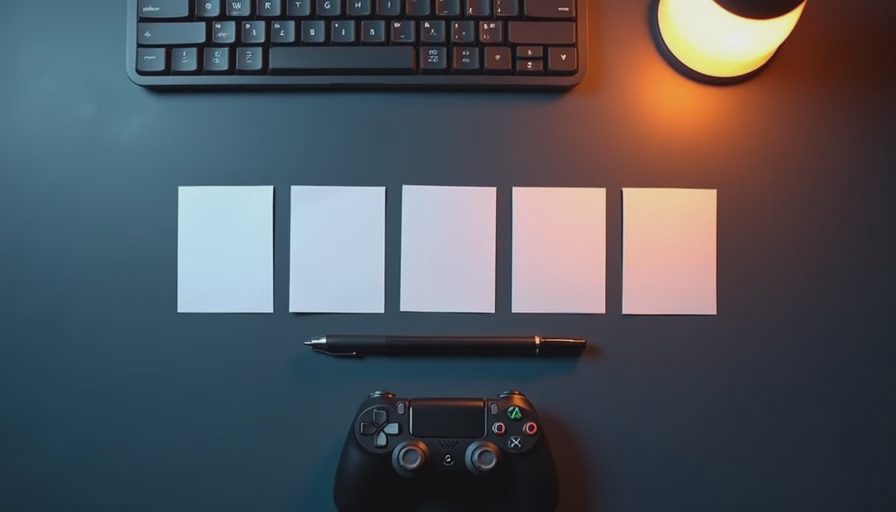
Before I buy at full price, I check five things. I do not need all five to be perfect. I do need most of them to lean positive.
1. Early payoff
How long until the game is regularly enjoyable rather than merely promising? If the answer is “around hour eight or ten,” full price becomes harder to justify. I want evidence that the good part starts early enough for a limited schedule.
2. Session fit
Can I have a complete, satisfying slice of the experience in 45–60 minutes? Games that only feel right in three-hour blocks are asking for a resource I often cannot protect on weeknights.
3. Attention demand
Does the game work when my focus is only moderate, or does it require peak concentration every session? After a full workday I rarely arrive at the controller at 100%. Titles that punish anything less start to feel like extra work.
4. Progress visibility
If I play three evenings a week for a month, will I still feel momentum? Games that hide their best systems or story beats behind long, opaque progression make limited play feel stagnant.
5. Opportunity cost clarity
What else could this $70 and the accompanying hours become? Sometimes the honest answer is “another game I already know fits my life” or “nothing, and that is fine.” When the alternative feels stronger, I wait.
I gather the information for these tests from a combination of store pages, short gameplay videos that show the first hour, and reviews that actually discuss pacing and session length instead of only mechanics or graphics.
What Full Price Is Really Buying
When I do pay $70, I am buying three things at once:
The privilege of playing now instead of later
The absence of lingering curiosity
The chance that the game becomes part of my regular rotation while it is still new
If those three things do not feel valuable enough, the sale price later is almost always the better decision. Waiting three to six months for a 30–40% discount has rarely cost me meaningful enjoyment. It has often saved me from owning games that never quite earned their keep.
There are exceptions. Some multiplayer or live-service games lose their social window if you wait. Some single-player games are so tightly aligned with my taste that the early experience itself is the point. Those cases still pass the five tests; they simply pass them more emphatically.
Recent Decisions That Illustrate the Method
A focused action game with strong early hours, clean 40-minute runs, and visible progression cleared four of the five tests immediately. I paid full price and have no regrets.
A sprawling role-playing game with excellent reviews and a reputation for a slow-burn opening failed the early-payoff and session-fit tests. I waited. When it eventually dropped to $40 I still only played about half before my attention moved on. Waiting was the correct call.
A stylish indie title with modest scope and immediate charm cleared every test except pure “prestige.” I bought it at full price on a quiet week and finished it feeling the money was well spent. Scope and fit mattered more than critical weight.
None of these decisions required me to declare the games objectively good or bad. They only required me to be honest about how the games would interact with my actual evenings.
The Quiet Benefit of the Framework
The biggest change has not been financial. It has been emotional. I no longer carry the low-grade irritation of owning games that felt like unfinished obligations. When I do pay full price, I do it with clearer eyes. When I wait or skip, I do it without performing FOMO for anyone, including myself.
The framework also makes the occasional impulse purchase more visible. When I break my own rules, I notice. That awareness alone has reduced how often it happens.
The Only Score That Still Matters
At the end of the process the five tests collapse into the same question this site returns to again and again:
Worth your time, or not?
Seventy dollars is simply the version of that question that arrives with a receipt. Answer it with the schedule you actually have, not the schedule you wish you had, and the decision gets quieter.
I still get excited about new games. I still buy some of them on day one. I just no longer pretend that excitement alone is enough to clear the price. The evenings are limited. The money is finite. The rule is there to protect both.
—Grant
Comments
No comments yet — be the first to share a thought.