The Game I Wanted to Love
I bought a game last spring that I was genuinely excited about. Great combat. Interesting world. Solid reviews. A developer with a strong track record. Everyone I knew who played it said it was fantastic.
And they were right. It was a fantastic game.
I played it for about eight hours across two weeks. And then I uninstalled it.
Not because it was bad. Not because I hated it.
I uninstalled it because I realized something important:
It was a great game, but a terrible fit for my life.
That distinction matters more than most people realize.
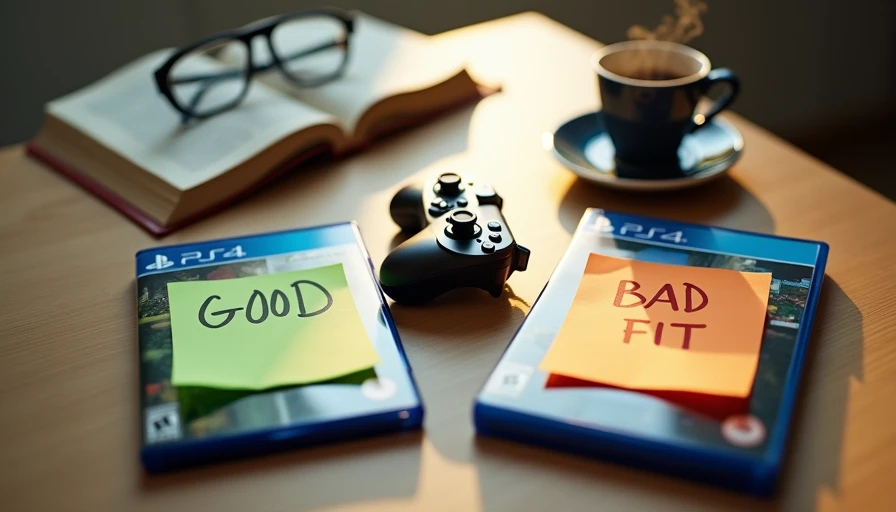
Good Game, Bad Fit
Let's be clear about something.
When I say a game is "good," I mean it's well-made. The mechanics work. The story is engaging. The graphics are impressive. If you have the time and energy to invest, you'll probably enjoy it.
But "good" and "worth it for you right now" are two different things.
A game can be a masterpiece and still be the wrong choice for someone who works forty hours a week, has two kids, and gets maybe five hours of gaming time.
Here's what I've learned: my taste hasn't changed. My circumstances have.
I still love deep RPGs and sprawling open worlds. But I don't have thirty hours to give to a single game anymore. Not in a two-week window. Not in a month.
When you stretch a thirty-hour game across two months, you lose the thread. You forget the controls. You struggle to remember the story. The game isn't worse. But your experience of it is.
A Specific Example
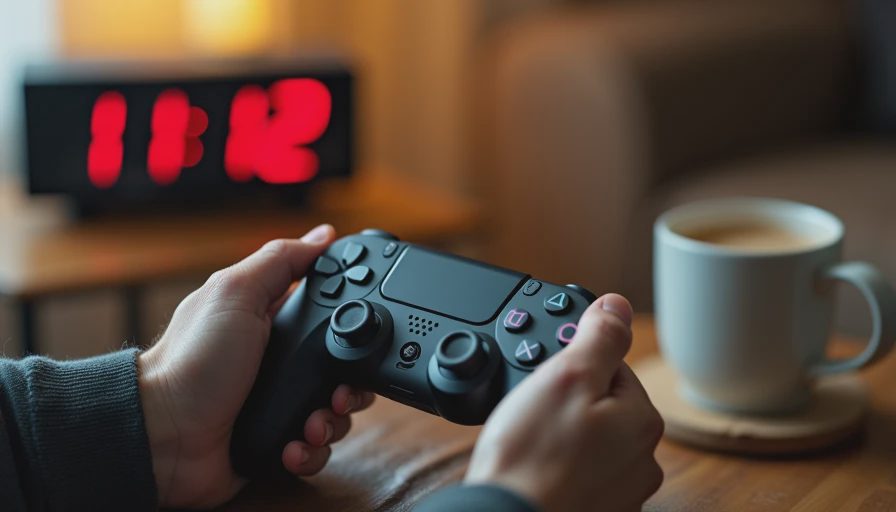
There's a critically acclaimed action RPG I bought a few years ago. Incredible combat. Deep crafting. Rich world.
I loved the first few hours. And then I hit a wall.
The wall wasn't a difficult boss. It was the game's structure.
I played for ninety minutes on a Tuesday. Made progress. Felt good. Then I didn't play again until Saturday. Four days later. When I booted it up, I had no idea where I was, what I was doing, or what the story was about. I spent the first thirty minutes re-learning the game.
Then I had to stop because the kids needed lunch.
That pattern repeated for three weeks. Play, forget, re-learn, progress, forget again. By the end, I'd made almost no meaningful progress.
I kept telling myself: "This is a good game. I should like this."
But I wasn't enjoying it anymore. I was performing enjoyment. So I uninstalled it.
What Actually Matters
After that experience, I started paying attention to what determines whether a game fits my life.
Time Per Session. Some games work in thirty-minute bursts. Others require long sessions to feel satisfying. I need sessionable games.
Cognitive Load. After a full workday, my brain is tired. I don't want to manage fifty crafting materials or navigate seventeen political factions. I want engagement without exhaustion.
Friction. Long loading screens. Unskippable cutscenes. Confusing menus. When you have limited time, friction is magnified. A one-minute load screen matters a lot when you're playing for forty-five minutes.
Respect for Your Schedule. Can I save whenever I want? Can I pause cutscenes? Games that respect your schedule understand their players have lives outside the screen.
The "One More Turn" Trap. Some games are designed to be addictive. They eat into sleep. They eat into your next day. If a game hooks me in a way that makes me lose track of time, that's actually a bad sign.
My Personal Checklist
Before I commit to a game, I ask:
How long is a typical session? If it's designed for two-hour chunks, it's not for me.
How much brainpower does it require? If I need to be fully alert, it's a weekend game, not a weeknight game.
What's the friction like? Long loads or unskippable cutscenes? Deal-breakers.
Can I save and quit whenever I need to? If no, the answer to buying is also no.
Does it hook me in a way that makes me lose track of time? If yes, I need to be careful.
Will I follow the story in short bursts? If the narrative is dense, I'll lose the thread.
Is this a "good" game or a "good fit" game? If it's just good but not a good fit, I pass.
What I Play Instead
I don't play the games that top critic charts. I play games that fit.
Roguelikes: Short runs, quick sessions, easy to pick up and put down.
Turn-based strategy: My own pace. I can walk away and come back.
Platformers: Simple, accessible, low cognitive load.
Short-level games: Each mission takes twenty to thirty minutes.
Old favorites: Replaying games I already know. No learning curve. Just comfort.
Some of these aren't "great" games by critical standards. But they're great for me.
The Bottom Line
A game can be a critical darling and still leave you frustrated and empty.
A game can be highly rated and still be a terrible use of your limited time.
I wasted years trying to force myself to enjoy games that were objectively good but subjectively wrong for me. I felt like I was failing somehow. Like I was a bad gamer.
It took a long time to realize I wasn't the problem. The game wasn't the problem either. The problem was the mismatch.
Now I don't buy games just because they're good. I buy games that fit.
Good game, bad fit.
Remember that phrase. It'll save you a lot of frustration.
Worth your time, or not?
Comments
No comments yet — be the first to share a thought.