The $15 Temptation
I signed up for Xbox Game Pass about two years ago.
The pitch was irresistible. For $15 a month, I could play hundreds of games. New releases. Classic titles. Indie gems. AAA blockbusters. All for less than the price of a single new game every few months.
It seemed like a no-brainer.
And for a while, it was amazing. I discovered games I never would have tried. I played things outside my usual genres. I saved money on titles I was going to buy anyway.
Then something shifted.
I started feeling pressure. Pressure to play the games on the service. Pressure to try everything. Pressure to justify my subscription.
I found myself asking questions like:
"Is this game leaving the service next month?"
"Should I play this now before it's gone?"
"Am I getting enough value out of my subscription?"
"I haven't played anything new this week—am I wasting money?"
That's when I realized: my hobby had turned into homework.
And I wasn't alone.
The Subscription Explosion
Game subscriptions are everywhere now.
Xbox Game Pass. PlayStation Plus. Nintendo Switch Online. EA Play. Ubisoft+. Apple Arcade. Google Play Pass.
Each one offers a library of games for a monthly fee. Each one promises incredible value. Each one makes the same pitch: "Pay a little, play a lot."
And they're right. In purely financial terms, these services are amazing deals.
But there's a catch.
These services change your relationship with games. They change how you choose what to play. They change how long you spend on each game. They change how you think about your hobby.
Sometimes those changes are good. Sometimes they're not.
The Value Proposition
Let's be fair. Game subscriptions offer genuine value.
I've played dozens of games through Game Pass that I would never have bought. I've discovered new genres. I've found new favorite developers. I've spent less money and played more games.
For a busy adult with limited gaming time, that's not nothing.
If you play two to three games a month, a subscription can save you money. If you're someone who likes to try different things, a subscription gives you access to a huge library. If you have kids who play games, a subscription is often more cost-effective than buying individual titles.
The value is real.
But it comes with a cost.
The Homework Problem
Here's the problem with subscriptions.
They create a sense of obligation.
When you pay for a subscription, you feel like you need to use it. You feel like you're wasting money if you don't play. You feel like you're missing out if you don't try the new additions.
That feeling turns gaming from a hobby into a chore.
Instead of asking "What do I want to play?" you ask "What should I play?" Instead of playing games you love, you play games you feel obligated to try. Instead of spending time on a game you're enjoying, you rush through it so you can move on to the next one.
I caught myself doing this.
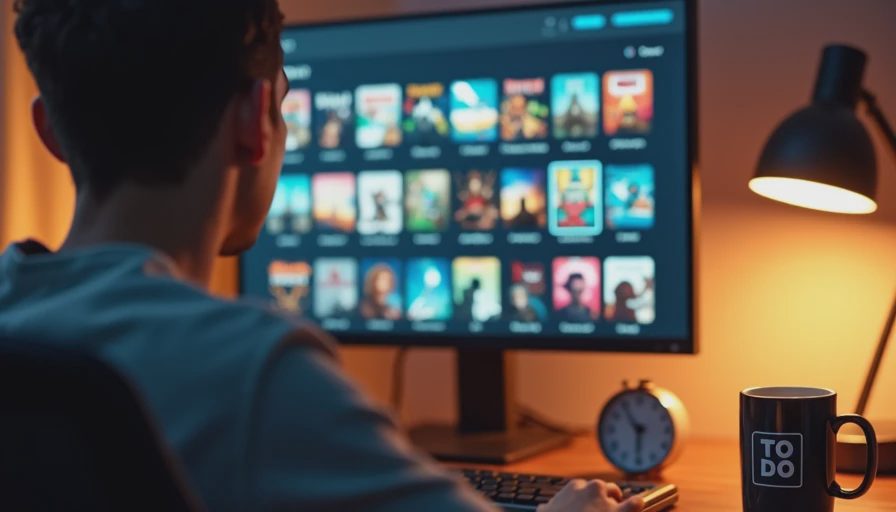
I'd scroll through the Game Pass library, looking for something to play. But I wasn't looking for something I wanted to play. I was looking for something I felt I should play.
"Everyone says this is good, so I should try it." "This is leaving next month, so I should play it now." "I haven't tried anything new this week, so I should download something."
That's not how I want to choose my games.
The FOMO Factor
Subscription services are designed to create FOMO.
Fear of missing out.
They add new games regularly. They remove games regularly. They create a sense of urgency. "Play this now before it's gone." "Try this new release while everyone is talking about it."
This is great for the subscription service. It keeps you engaged. It keeps you paying. It keeps you coming back.
But it's not great for you.
When you're constantly worried about missing out, you're not enjoying what you're playing. You're thinking about the next game. You're thinking about the game that might be leaving. You're thinking about whether you're making the right choice.
That's anxiety, not enjoyment.
The Paradox of Choice
Game subscriptions give you too many options.
It sounds like a good problem to have. But it's not.
When you have hundreds of games available, choosing one becomes harder. You spend more time deciding what to play than actually playing. You second-guess your choices. You worry about choosing the wrong thing.
I've spent evenings scrolling through Game Pass, unable to decide what to play. I'd look at the library, feel overwhelmed, and end up playing nothing.
That's the paradox of choice. More options don't lead to more satisfaction. They lead to more indecision and more anxiety.
The Gameplay-Finish Ratio
Subscriptions change how you play games.
When you buy a game, you have an incentive to finish it. You paid for it. You want to get your money's worth.
When you play a game through a subscription, that incentive weakens. You're not paying for the game. You're paying for access to a library. There's no sunk cost keeping you engaged.
This sounds like a good thing. And sometimes it is. You can try a game, realize it's not for you, and move on without guilt.
But it also has a downside.
You might give up on a game too quickly. You might not give it the time it deserves. You might be too quick to move on to the next thing because you feel like you should try something new.
I've done this. I've played the first hour of a game, decided it was "fine," and moved on. Later, I realized the game would have been amazing if I'd given it more time.
But I was in subscription mode. Move fast. Try everything. Don't commit.
The Solution: Intentional Use
So what do we do?
Game subscriptions aren't going away. They're too good a deal for many people. And they genuinely offer value.
But we need to use them intentionally.
Here's how I approach subscriptions now.
Know why you're subscribing. Is it to save money? To try new things? To have access to a library? Be honest with yourself. Your reason determines how you use the service.
Don't feel obligated to play everything. You don't have to play every game on the service. You don't have to play every new addition. The library is an option, not a requirement.
Play what you actually want to play. The subscription is a tool, not the master. If you want to play a game that's not on the service, buy it. If you want to spend a month on one game, do it.
Use the service for discovery, not completion. Try games. If you like one, finish it. But don't feel obligated to finish everything. Trying is the goal. Discovering is the value.
Set a budget for the service. If you're not using it, cancel it. You can always resubscribe. Evaluate your subscriptions every few months. If you haven't used a service in a while, cancel.
Remember: your time is more valuable than the subscription. The subscription costs money. Your time costs more. If you're spending hours playing games you don't enjoy to justify your subscription, you're wasting something more valuable than money.
The Bottom Line
Game subscriptions are a great deal.
But they come with a catch.
They can turn your hobby into homework. They can create FOMO. They can make you feel obligated to play things you don't enjoy. They can make you rush through games instead of savoring them.
The solution is intentionality.
Use subscriptions for discovery. Don't feel obligated to play everything. Play what you actually want to play. Cancel when you're not using it.
The subscription is a tool. You are the master.
Don't forget that.
Worth your time, or not?
Comments
No comments yet — be the first to share a thought.