
The Hidden Tax of the Slow Start
I have lost count of how many times I have heard the same reassurance: “It gets really good after the first ten hours.” Sometimes the person saying it is right. The game does open up. The systems click. The story finds its pace. By then, though, I have already spent two full weeks of my real gaming time waiting for the experience I was promised.
When you only have five to seven hours a week, a ten-hour runway is not a gentle introduction. It is a significant percentage of a month. Paying that cost up front only makes sense if the eventual payoff is both certain and substantial. Most of the time I would rather play something that is already good by the end of the first evening.
This list is for that preference. These are games that start strong. The core pleasure is present early. You do not need to trust a distant promise or endure a long tutorial slog before the real game begins.
What “Starts Strong” Actually Means
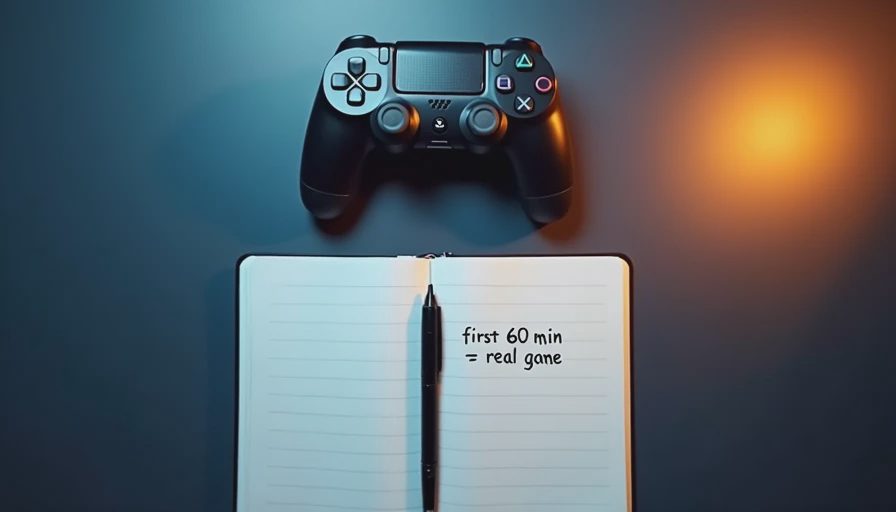
For me the bar is simple. By the end of the first 60–90 minutes I should already be having the kind of fun the game is known for. Not a pale preview of it. Not a training-wheels version. The actual thing.
That does not mean the game cannot deepen later. Many of the best titles on this list grow richer with time. It only means the early hours are not a tax you pay for the privilege of eventually enjoying yourself.
1. Hades
One run. That is all it takes. Within twenty-five minutes you have fought, died, upgraded something, spoken with a character who already feels distinct, and queued up the next attempt. The loop is the game, and the loop is available immediately. There is no ten-hour prologue. There is only the next run, which is already the point.
2. Dead Cells
Same principle, different texture. The first thirty minutes already contain the full fantasy: drop into a run, find weapons, die, unlock something permanent, repeat. The sense of getting better starts on day one. You do not wait for the build system or the movement tech to “kick in.” They are present from the beginning.
3. Balatro
You are playing the real game by the end of the first blind. The deck-building decisions, the scoring spikes, the quiet realization that the jokers are doing something broken—all of it arrives early. Later runs become more elaborate, but the core pleasure never makes you wait.
4. Into the Breach
Each mission is a self-contained puzzle that teaches the game’s logic while already being satisfying to solve. There is no extended campaign runway. You understand the basic contract of the game within the first hour and are already making meaningful strategic choices. Depth comes from mastery, not from unlocking the “real” systems later.
5. Vampire Survivors
The first run lasts fifteen to twenty minutes and already delivers the complete fantasy of building an absurd, screen-clearing build. Everything that follows is variation and escalation on a pleasure that was present immediately. No narrative gate. No long unlock tree standing between you and the fun.
6. Slay the Spire
A full run can be completed in under an hour once you know the basics, and even the first clumsy attempt already contains the deck-building decisions that define the game. You are not waiting for the card pool to open up or for the “real” difficulty to begin. The game is the act of building and steering a deck through a series of encounters, and that act starts right away.
7. Celeste
The first screen already asks you to jump, dash, and recover from mistakes. The assist options are there if you want them, but the core pleasure of precise, readable platforming is available from the opening minutes. Later chapters raise the complexity; they do not finally “turn on” the game.
8. A Short Hike
You land on the island, receive a light objective, and begin walking. Within fifteen minutes you are already doing the thing the game is about: exploring a small, friendly space at your own pace, talking to characters, and finding little optional paths. There is no systems tutorial because there are almost no systems to learn. The experience is complete early and simply continues.
9. Unpacking
You open the first box and start placing objects. That is the game. Each subsequent level adds a new living space and a few more constraints, but the fundamental activity never changes and never requires a long ramp. Satisfaction is available in the first five minutes and remains available for the entire short runtime.
10. Dave the Diver
The daily structure hands you a clear, complete loop almost immediately: dive, collect, return, manage the restaurant, end the day. You understand the rhythm by the end of the first in-game day. Later chapters add new areas and story beats, yet the early hours already feel like the real game rather than a tutorial for a better experience still to come.
The Common Design Thread
Looking across the list, a few shared traits stand out.
The core activity is present early.
Progress systems enhance that activity instead of gating it.
Sessions have natural endpoints so you can stop without feeling you have left the “real” game unfinished.
The designers trusted that the main pleasure was strong enough to carry the opening rather than hiding it behind a long instructional corridor.
That last point is rarer than it should be. Many ambitious games treat the first ten hours as necessary onboarding for systems that only become elegant later. Sometimes the trade-off is worth it. Often it is simply a mismatch for players whose weekly total is already modest.
How to Spot These Games Before You Buy
When you are evaluating a new release, look for evidence that the main loop appears early. Watch a first-hour gameplay video rather than a polished trailer. Read reviews that mention pacing and “when it clicks” rather than only final-score language. If the consensus praise is concentrated on “once the systems open up” or “after the slow start,” treat that as useful data about fit.
You do not have to avoid every slow-burn game. You only have to be honest about the cost of the burn when your free time is limited. Ten hours is not an abstract number. It is two weeks of evenings. Spending those evenings on a promise rather than a present pleasure is a choice, and it is one I now make less often.
The games above have consistently given me the opposite experience: the good part arrives early, and everything after that is more of a good thing rather than the delayed arrival of the thing I was waiting for.
Worth your time, or not? When a game starts strong, the answer gets easier to give on night one.
—Grant
Comments
No comments yet — be the first to share a thought.